
About The Author
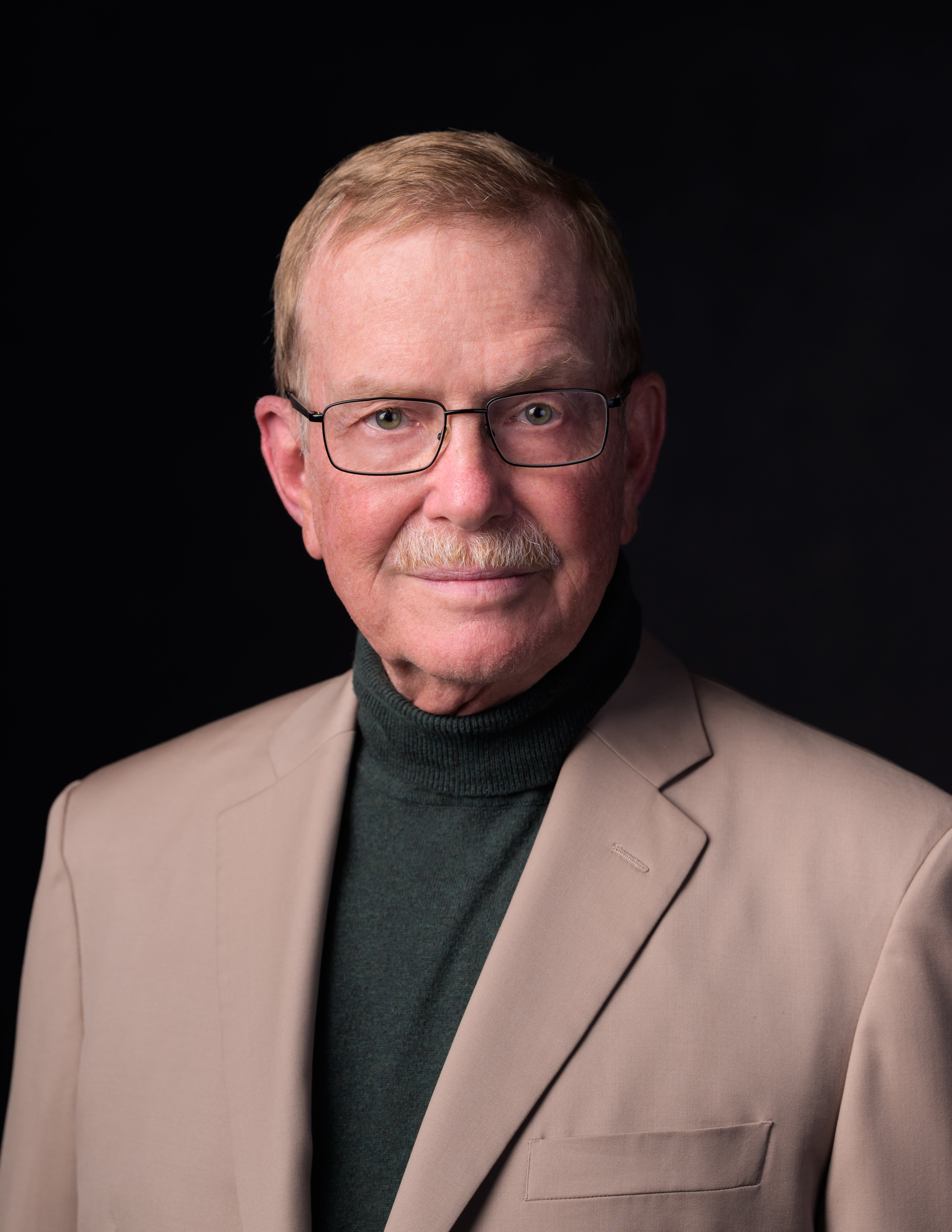
Randolph B. Schiffer
Author | Neurologist | Psychiatrist |
Marine Corps Veteran
“I've spent much of my career thinking about fear—first as a neurologist and psychiatrist, and then unexpectedly as a father. When my three-year-old son was diagnosed with leukemia, I began telling him bedtime stories that gave us a way to experience frightening things together. Decades later, those stories became Bedtime Stories That Will Terrify Children.”
- Randolph B. Schiffer
I have lived several lives.
I was a Marine once. Later, I became a physician—then a psychotherapist, a professor, and a lifelong student of the human mind. Each life asked something different of me: discipline, responsibility, restraint, courage. Each taught me how fear behaves when it is ignored, misnamed, or left unattended.
My education began at Yale University and continued through medical training at the University of Michigan. I moved between neurology and psychiatry, between bodies and minds, between what could be measured and what could only be witnessed. For a time, I held leadership roles in major medical institutions and helped build the field of neuropsychiatry itself.
Those years matter. They shaped how I understand fear—not as weakness, but as information. Not something to eliminate, but something to listen to. I learned that resilience is rarely dramatic. It is quiet. It is cumulative. It is built through small acts of honesty repeated over time.
When our three-year-old son developed leukemia, endurance and fortitude were no longer abstractions. During the long course of treatment, I told eight stories—night after night—in serialized sequence to him and his older brother. The stories were not meant to reassure or distract, but to steady them. They were told to harden him gently against the ordeal ahead, to give fear shape, language, and limits while an adult voice remained close.
Leadership, I learned, is not the absence of fear. It is the willingness to remain present within it. Courage is not bravado; it is endurance with integrity. And generativity—the work of passing something meaningful forward—becomes essential when survival is no longer theoretical.
Eventually, medicine no longer felt like the right language.
In 2010, I stepped away from clinical work to write. I discovered that stories can hold what medicine often cannot—especially the fears children carry and adults forget how to name. Stories allow fear to be approached indirectly. They give it distance, rhythm, and sometimes humour. They invite self-understanding without instruction.
I write in a cedar cabin in Michigan, looking out at water that has witnessed more than it explains. I also spend time in New Mexico, where my wife Lynn and I live closer to our sons and our family.
Bedtime Stories to Terrify Children came from that time. These are not stories designed to shock or frighten for effect. They sit beside fear instead of denying it. Any medical knowledge within them is woven quietly into the fabric—not announced, not instructional. What remains is what mattered most to me as a parent, and now as a writer: presence, honesty, and the belief that fear, when shared, loses its power to isolate.
Before all of this—and underneath all of it—I was a father who told stories.
And I still believe that the most enduring lessons are not taught head-on, but carried gently, at night, in a familiar voice, when the world is quiet enough to listen.
Follow on Social




Other Works

Comprehensive Neuropsychiatry
Hardcover

The Medical Evaluation of Psychiatric Patients
Paperback/Hardcover

Neuropsychiatry
Paperback

Synopsis of Neuropsychiatry
Paperback

David and Lee Roy: A Vietnam Story
David and Lee Roy:
A Vietnam Story
Hardcover

Goodbye Stories From University Hospital
Hardcover/Paperback/Kindle
Awards Achieved

Award # 1
As the book contains theoretical content as well as solved questions.
Award #2
As the book contains theoretical content as well as solved questions.
Award #2
As the book contains theoretical content as well as solved questions.
Subscribe to my newsletter and get a chance to win FREE Giveaways!
After subscribing, you'll be entered to win 2 separate draws for a bookshelf and a bean bag chair. Registration is until November only.
RANDOLPH B SCHIFFER
LEGAL


© Copyright 2026. Randolph B Schiffer . All Rights Reserved.