Frequently Asked Questions
ABOUT FEAR, CHILDREN, AND READING TOGETHER
Is it healthy for children to feel scared in stories?
Yes. Fear itself does not harm children.
Avoiding fear altogether often does.
Developmental psychology shows that when children encounter fear in a safe, fictional setting, their brains are practicing how to manage strong emotions. Researchers sometimes describe this as a “safe scare”—nothing real is happening, but the child’s nervous system experiences what fear feels like and learns that it passes.
Studies on emotional development consistently show that children build regulation skills by experiencing emotions with support, not by eliminating them. Stories provide a contained, symbolic space where fear can be explored without danger.
Research note:
Studies on emotion language and shared narrative show that children develop emotional understanding through guided exposure to feelings during caregiver interactions (Bell et al., ScienceDirect)
Why do children seem drawn to darker or “scary” stories?
Because those stories reflect how children already experience the world.
Research on childhood fear shows that fear is a normal, age-appropriate part of development. Children are aware of uncertainty, separation, darkness, and danger long before they can articulate those feelings.
Historically, fairy tales and traditional children’s stories included wolves, forests, storms, and mystery not to frighten children, but to give symbolic shape to emotions they already felt. Developmental research shows that symbolic storytelling allows children to externalize fear—seeing it at a safe distance where it becomes more manageable.
Research note:
Childhood fear is widely recognized in developmental psychology as normative and transient when supported appropriately (Childhood Phobia, developmental psychology overview).
What makes reading a scary story aloud different from a child hearing it alone?
Shared reading changes everything.
Research on parent-child shared reading shows that reading aloud is not only a literacy activity—it is a regulatory and relational experience. When caregivers read emotionally complex stories, children rely on the adult’s voice, pacing, and presence to interpret what they are feeling.
Studies on co-regulation show that fear is more tolerable when experienced with a trusted adult. When a story is read aloud, fear is no longer happening to the child—it is happening between the child and the adult.
Research note:
Multiple studies on shared book reading show improvements in emotional understanding, empathy, and regulation when adults engage children in emotionally meaningful narratives (Aram & Shapira; International Literacy Association).
Can scary stories actually strengthen connection between adults and children?
Yes. When fear is paired with safety, it builds trust
Research in attachment and social-emotional development shows that shared emotional experiences—especially those involving mild fear or uncertainty—can strengthen bonds when a caregiver remains calm and present.
Pediatric literacy programs consistently emphasize that shared reading strengthens emotional connection, not just language skills. When a child feels scared and supported at the same time, it reinforces a deep sense of security.
Research note:
Programs such as Reach Out and Read, endorsed by pediatric associations, demonstrate that reading aloud strengthens caregiver-child connection and emotional development alongside literacy.
Are these stories meant to frighten children?
No.
These stories are not about shock or fear for fear’s sake. They are about honesty, structure, and presence.
Research on children’s literature shows that emotionally challenging material can be beneficial when thoughtfully written and shared with guidance. The context—how a story is introduced, read, and discussed—matters as much as the content itself.
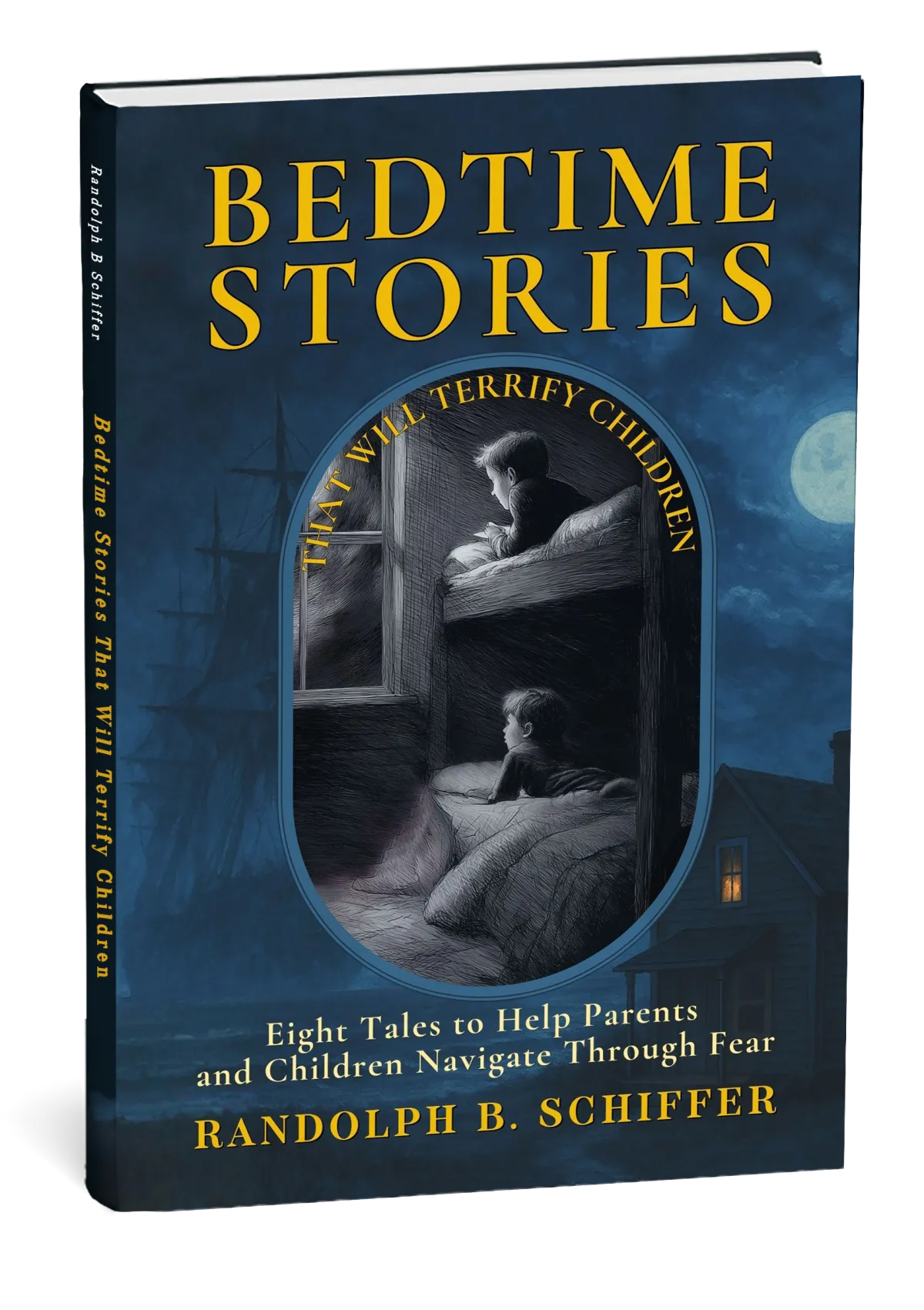
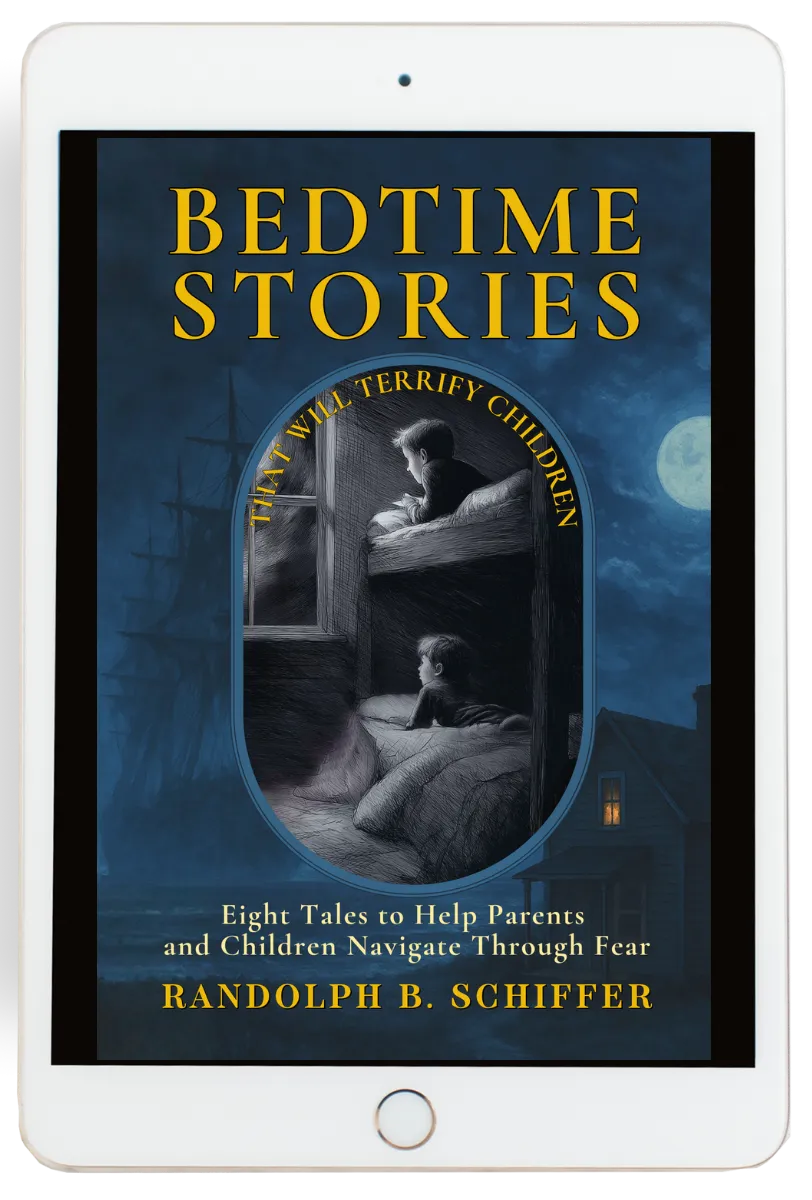
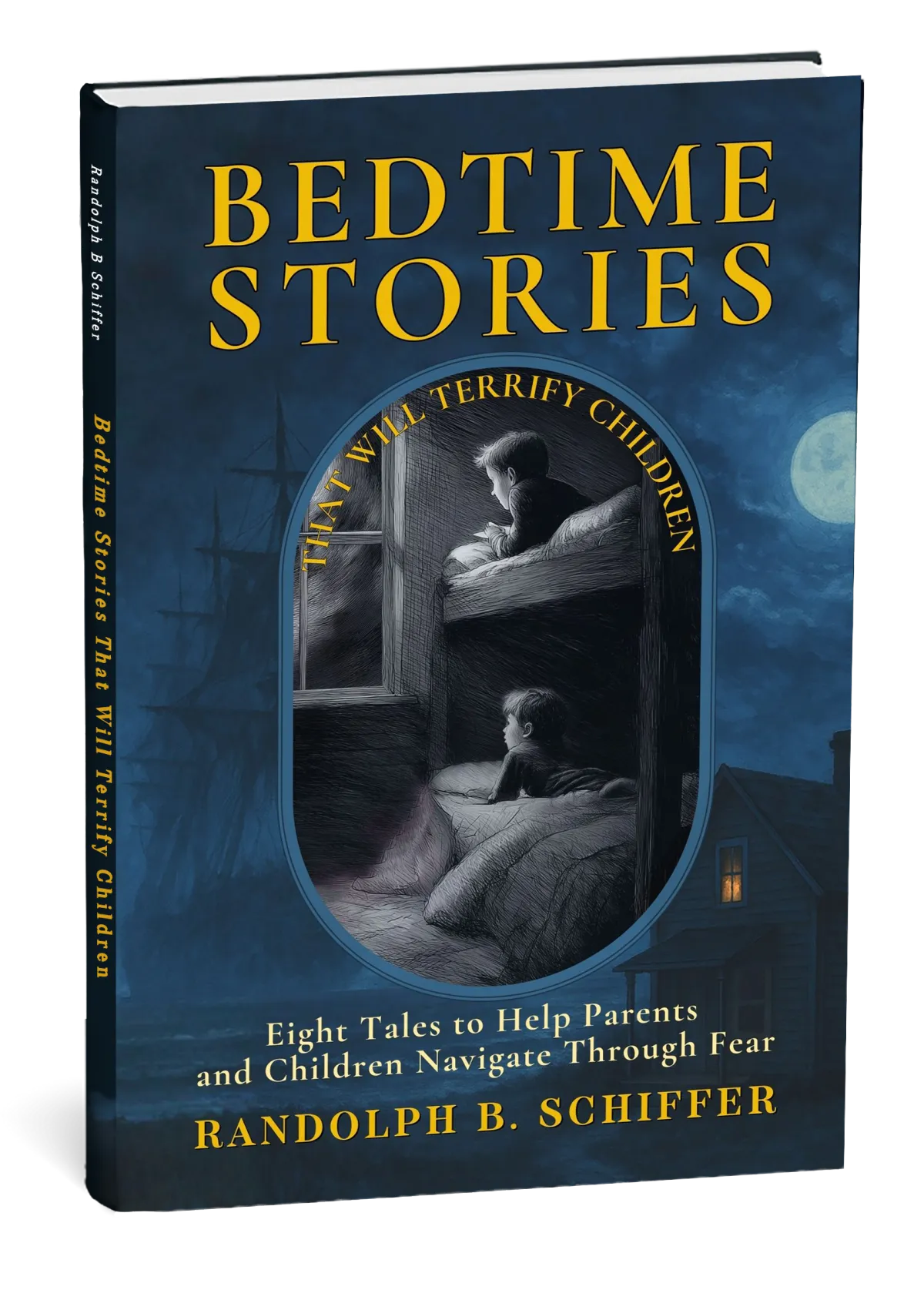
Bedtime Stories That Will Terrify Children was written to be read aloud, slowly, with an adult nearby. The stories acknowledge fear without amplifying it, giving children language for feelings they already have.
Research note:
Educational research on literature for sensitive topics shows that guided storytelling supports emotional processing rather than distress when appropriately framed (ERIC education research).
Ways to Read This Book Together
Most children encounter fear long before they have the words to explain it.
They fear the dark.
They fear being alone.
They fear the things they sense but cannot yet name.
As parents and caregivers, it’s natural to want to protect children from fear—to make it go away as quickly as possible. But decades of psychological and educational research suggest something quieter and more powerful: children don’t need fear erased. They need someone to stay with them while it passes.
Stories have always helped children do this.
When read aloud, stories offer a safe place to explore big emotions—fear included—without danger or overwhelm. They give children language for what they already feel and give adults a way to be present, attentive, and close.
The questions below address common concerns about fear, scary stories, and reading together, drawing on research and decades of clinical insight.

So… is fear the problem?
No.
Fear is a normal part of childhood.
Silence around fear is far more damaging.
Research consistently shows that avoidance can reinforce anxiety, while guided exposure—especially through symbolic experiences like stories—supports resilience. Children become brave not by pretending fear isn’t there, but by learning that it can be faced safely and that it passes.
Fear isn’t the enemy.
Facing it alone is.
For Educators & Mental Health Professionals
Stories have long been a primary tool for helping children symbolically process fear, uncertainty, and transition.
From a clinical and educational perspective, symbolic fear allows children to externalize internal states. When these narratives are shared with a regulating adult, fear becomes relational rather than isolating. This supports emotional literacy, co-regulation, and resilience.
Bedtime Stories That Will Terrify Children aligns with evidence-based understandings of:
* Symbolic exposure
* Emotional containment
* Narrative-based processing
* Secure attachment through shared experience
The stories are not designed to provoke distress, but to offer structure and language for emotions children already experience.
07
Books Published
4.5
User Reviews
04
Best Seller Awards
Further Readings & Research
(For parents, caregivers, and professionals who want to go deeper)
ResearchBell et al., Emotion language and child emotional development
ResearchScienceDirect
Researchhttps://www.sciencedirect.com/
ResearchAram & Shapira, Parent-child shared reading and empathy development
ResearchResearchGate
Researchhttps://www.researchgate.net/
ResearchReach Out and Read – Evidence-based pediatric literacy program
Researchhttps://reachoutandread.org
ResearchInternational Literacy Association – Research on read-aloud and social-emotional learning
Researchhttps://ila.onlinelibrary.wiley.com
ResearchERIC (Education Resources Information Center) – Research on children’s literature and emotional development
Researchhttps://eric.ed.gov
ResearchChildhood Phobia – Developmental psychology overview
Researchhttps://en.wikipedia.org/wiki/Childhood_phobia
(Links are provided for transparency and further exploration. This site does not replace professional medical or
psychological care.)
“The stories which we tell our children before sleep do more than soothe.
They leave clues about how to live—and how to leave.”
~ Randolph B. Schiffer
These stories exist to give children words for fear—and to give adults a way to stay beside them while it unfolds.
Enhance knowledge & Vision
IngramSpark
You can double your knowledge by reading this ever needed book that can last a lifetime.
Pages: 250pages
Length: 2 Hours
IngramSpark
You can double your knowledge by reading this ever needed book that can last a lifetime.
Pages: 250pages
Length: 2 Hours
IngramSpark
You can double your knowledge by reading this ever needed book that can last a lifetime.
Pages: 250pages
Length: 2 Hours
IngramSpark
You can double your knowledge by reading this ever needed book that can last a lifetime.
Pages: 250pages
Length: 2 Hours
Words From Our Readers
We believe that bookstores are essential to a healthy culture. They’re where authors can connect with readers, where we discover new writers, where children get hooked on the thrill of reading that can last a lifetime.

Subscribe to my newsletter and get a chance to win FREE Giveaways!
After subscribing, you'll be entered to win 2 separate draws for a bookshelf and a bean bag chair. Registration is until November only.
RANDOLPH B SCHIFFER
LEGAL


© Copyright 2026. Randolph B Schiffer . All Rights Reserved.